
I still remember the day I realized I had officially become a “tea person.” It happened on a quiet evening when I reached for herbal tea instead of coffee without even thinking about it. That moment felt strange but good. What started as curiosity slowly turned into a routine, and before I knew it, I was experiencing real herbal tea benefits in my everyday life. Not dramatic, life-changing moments, but steady improvements that felt natural and easy.
This blog is for anyone who enjoys tea, wants to brew it better, or is simply curious about how herbal teas fit into a balanced lifestyle. No hype, no selling, just practical insights you can actually use.
What Are Herbal Tea Benefits And Why Are They So Popular?
Herbal tea benefits come from the plants themselves. Herbal teas, also called tisanes, are caffeine-free infusions made from dried fruits, flowers, herbs, roots, or spices. Unlike traditional tea, they do not contain tea leaves, which makes them gentler on the body and suitable for any time of day.
What makes them so popular is how flexible they are. You can choose blends that support digestion, relaxation, immunity, or overall wellness. Many herbal teas are rich in polyphenols and antioxidants, which help protect cells from daily stress and environmental damage.
People are drawn to herbal tea benefits because they feel supportive rather than aggressive. Instead of forcing results, herbal teas work with your body through consistency and routine.
How do herbal tea benefits differ by tea type?
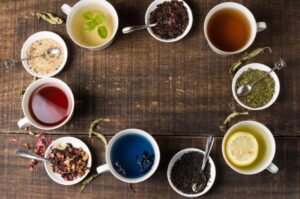
Different herbs offer different herbal tea benefits, which is why variety matters.
Chamomile
It is widely used for sleep and relaxation and is known for its anti-inflammatory properties that can soothe an upset stomach.
Ginger
Ginger tea stands out for relieving nausea and supporting digestion, especially after heavy meals or during travel.
Peppermint
It is often used for digestive comfort and nasal relief, thanks to its menthol content.
Hibiscus
It is rich in antioxidants that may help support healthy blood pressure and cholesterol levels.
Rooibos
Offers antioxidant support without bitterness and is often associated with heart health and balanced metabolism.
Dandelion
The root is traditionally used to support liver and kidney function, while echinacea and nettle are commonly chosen for immune and joint support.
How Do Herbal Tea Benefits Support Digestion And Immunity?
Digestive support
It is one of the most noticeable herbal tea benefits. Herbs like fennel, anise, ginger, and lemon balm help relax digestive muscles, easing cramps, bloating, and indigestion. Drinking herbal tea after meals can gently support digestion without discomfort.
Immune System Boost
When it comes to immunity, herbal teas often contain ingredients rich in vitamin C and anti-inflammatory compounds. Elderberry, turmeric, rosehip, and echinacea are commonly used to strengthen the body’s natural defenses, especially during seasonal changes.
These benefits work best when herbal tea is consumed regularly. It becomes less about treating symptoms and more about maintaining balance and resilience in everyday life.
Stress relief
This is one of the most underrated herbal tea benefits. Warm teas like chamomile, lavender, and linden encourage relaxation and can help lower cortisol levels. The ritual of preparing and sipping tea promotes mindfulness, which adds to the calming effect.
Skin and anti-aging benefits
It comes from the antioxidants found in many herbal blends. These compounds help neutralize free radicals that contribute to visible signs of aging. Over time, regular herbal tea consumption may support clearer skin and a healthier glow.
How To Get The Most Of Tea When Brewing At Home
To get the most herbal tea benefits, brewing matters more than most people realize.
- Start with fresh water and bring it to a full boil, as herbal infusions require higher temperatures to extract beneficial compounds. Add your herbs or tea bag to the mug and pour the hot water over them.
- Cover the mug while the tea steeps. This step is important because it prevents essential oils from evaporating. Let the tea steep for ten to fifteen minutes, even if it feels long. Herbal teas do not become bitter like traditional teas.
- Once steeped, sip slowly and mindfully. This not only enhances the flavor but also allows your body to respond to the warmth and herbs more effectively.
What Should You Know About Buying Herbal Tea For Maximum Benefits?
Choosing quality tea supports better herbal tea benefits. Organic options are often preferred because they reduce exposure to pesticides. Go for brands that offer targeted blends designed for specific needs, which can simplify selection.
Loose-leaf teas often provide stronger flavor and potency, while tea bags offer convenience. Storage also matters. Keep herbal teas in airtight containers away from light and moisture to preserve freshness.
If you are pregnant, breastfeeding, or taking medication, consult a healthcare provider before trying new herbs. Safety awareness ensures you enjoy herbal tea without unnecessary risk.
Frequently Asked Questions
1. Are herbal teas safe for daily consumption?
For most people, herbal tea benefits are safe to enjoy daily. Since herbal teas are caffeine-free, they are gentler than traditional teas or coffee. Rotating different herbs is a smart way to avoid overconsumption of any single ingredient. If you have medical conditions or take prescription medications, checking with a healthcare provider helps ensure compatibility.
2. How long does it take to notice herbal tea benefits?
Some herbal teas, such as digestive relief or relaxation, may give results quickly. Other benefits like immune support or skin improvements tend to build over time. Consistency matters more than quantity. Drinking herbal tea regularly as part of a routine delivers the best long-term results.
3. Can herbal teas replace supplements?
Herbal tea can support wellness but should not replace prescribed supplements or medical treatments. Think of herbal tea as a complementary habit that enhances overall health. It works best alongside balanced nutrition, good sleep, and healthy lifestyle choices.
4. Do herbal tea benefits change depending on brewing time?
Yes, brewing time directly affects herbal tea benefits. Short steeping may result in weaker infusions, while longer steeping allows more beneficial compounds to be released. Covering the tea and allowing ten to fifteen minutes of steeping helps maximize both flavor and effectiveness.
Why Herbal Tea Fit Perfectly Into Everyday Life
What I love most about herbal tea benefits is how effortless they feel. You do not need special equipment or complicated routines. You just need a mug, hot water, and a few quiet minutes. Over time, those minutes add up to better digestion, calmer evenings, and a stronger sense of balance.
If you are looking for a gentle habit that supports wellness without pressure, herbal tea is a great place to start. Brew it with care, drink it often, and let the benefits quietly work in the background of your day.


