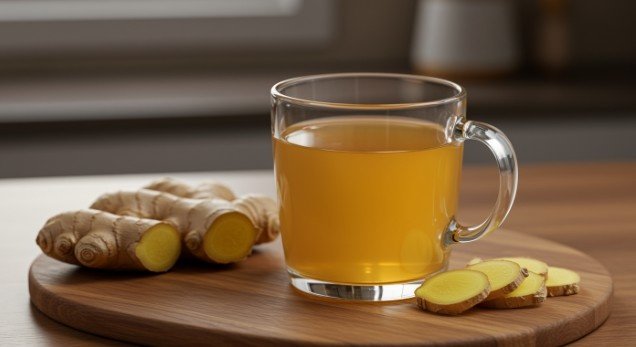
The first time I relied on ginger tea for menstrual pain, it was not part of a wellness plan. It was a long workday, my concentration was gone, and cramps were making everything harder than it needed to be. I brewed a simple cup of ginger tea out of habit, not expectation. What surprised me was not instant relief but how steadily my body began to relax.
Since then, ginger tea has become a routine, especially during demanding weeks when I need to stay focused and functional. It feels supportive without being overpowering. For anyone who values natural solutions that fit into a busy lifestyle, ginger tea quietly earns its place.
Menstrual pain, also known as dysmenorrhea, is incredibly common. Many people reach for medication immediately, but ginger tea offers a gentler option that works with the body rather than against it.
3 Ways Ginger Tea for Menstrual Pain Is So Effective?
Ginger tea for menstrual pain works because it targets inflammation at its source.
1. How Prostaglandins Trigger Menstrual Cramps
During menstruation, the body releases prostaglandins that cause the uterus to contract. When levels are high, these contractions become stronger, leading to sharper and more disruptive cramps.
2. Ginger Helps Reduce Pain Naturally
Ginger contains active compounds like gingerols that help lower prostaglandin production. This reduces the intensity of uterine contractions and supports gradual, natural pain relief rather than masking symptoms.
3. Ginger Relaxes Uterine Muscles
Ginger also has antispasmodic properties that help relax tight uterine muscles. When paired with warm tea, it creates a calming, steady effect that eases cramping and promotes comfort.
How Does Ginger Tea for Menstrual Pain Reduce Multiple Symptoms?
It’s amazing how ginger tea for menstrual pain does more than address cramps alone.

Ginger Tea for More Than Just Cramps
It not only targets cramps but also helps with nausea, bloating, and fatigue, making it a well-rounded remedy during menstruation.
Anti-Nausea Benefits of Ginger Tea
Ginger is well-known for easing nausea. It settles digestion and relieves stomach discomfort, making it especially useful on busy days when other remedies are impractical.
Ginger Tea for Improved Circulation
The warming effect of ginger tea enhances blood flow to the pelvic area, supporting muscle relaxation and reducing the sensation of pressure or heaviness, leading to a more comfortable cycle.
When Should You Drink Ginger Tea for Menstrual Pain?
Timing plays a major role in how effective ginger tea for menstrual pain feels. I have found the best results come from starting early rather than waiting until cramps peak.
Drinking ginger tea one to two days before menstruation begins helps reduce inflammation before cramps become intense. This early support can make a noticeable difference once the cycle starts.
Continuing ginger tea through the first three to four days of menstruation helps maintain relief when cramps are usually strongest. It allows the body to stay more relaxed and balanced. Chamomile tea is also a great alternative to this.
If pain has already started, ginger tea can still be effective. The warmth provides quick comfort, while ginger’s active compounds work gradually, making it helpful both as prevention and ongoing support.
How to Prepare Ginger Tea for Menstrual Cramps at Home
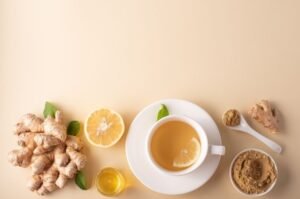
- Preparing ginger tea for menstrual pain is simple and requires no special tools. Fresh ginger is preferred because it provides stronger flavor and better potency.
- Slice or grate one to two inches of fresh ginger root and add it to two cups of water. Bring the water to a boil, then reduce the heat and let it simmer for five to ten minutes. A longer simmer creates a stronger tea.
- Strain the tea into a mug once simmering is complete. Honey or lemon can be added for taste if desired. For best results, drink two to three cups per day, spaced between morning and evening.
Which Ginger Tea Combinations Help With Menstrual Pain?
Pairing ginger tea for menstrual pain with other herbs can enhance its effects. Some combinations work especially well depending on your symptoms.
Ginger & Chamomile for Full-Body Relief
Ginger and chamomile work well together to reduce overall menstrual symptoms. Chamomile helps calm the nervous system and relax uterine muscles, making this blend ideal when cramps come with stress or restlessness.
Ginger & Peppermint for Bloating and Nausea
Ginger paired with peppermint supports digestion and helps ease bloating and nausea. This combination is especially helpful when menstrual pain affects the stomach as well.
Ginger & Cinnamon for Circulation
Ginger and cinnamon both promote healthy circulation. Together, they may help reduce discomfort linked to heavier flow while providing warming, steady relief.
What Precautions Should You Know About Ginger Tea for Menstrual Pain?
Although ginger tea for menstrual cramps is generally safe, moderation is important. Ginger has mild blood-thinning properties, which may increase bleeding in some individuals.
If you are taking anticoagulant medications or have a bleeding disorder, it is best to consult a healthcare professional before drinking ginger tea regularly. Overconsumption may also cause mild side effects such as heartburn or stomach upset.
During pregnancy, ginger is often used for nausea, but caution is advised if there is a history of bleeding or complications. Listening to your body and staying within recommended intake levels is key.
Frequently Asked Questions
1. How fast does ginger tea for menstrual pain start working?
Most people notice gentle relief within twenty to thirty minutes due to the warmth of the tea. Anti-inflammatory effects build gradually, often becoming more noticeable after one hour. Consistent use improves results.
2. How many cups of ginger tea for menstrual cramps can I drink daily?
Drinking two to three cups per day is generally recommended. Spreading intake throughout the day helps maintain steady relief without overwhelming digestion.
3. Can ginger tea for menstrual pain replace painkillers?
Ginger tea may reduce the need for painkillers for cramps (mild to moderate). However, effectiveness varies. Some people use it alongside medication rather than as a complete replacement.
4. Does ginger tea for menstrual pain help with fatigue and bloating?
Yes. Ginger supports digestion and circulation, which can reduce bloating. Because it does not cause drowsiness, it can also help maintain energy during menstruation.
Why Ginger Tea for Menstrual Pain Has Become My Monthly Essential
Over time, ginger tea for menstrual pain has become less of a remedy and more of a habit. It helps me stay grounded, focused, and comfortable without disrupting my routine. That consistency matters when life does not slow down for cramps.
This simple tea does not promise perfection. What it offers is balance. It supports the body naturally and fits into real life, whether you are managing meetings, creative work, or long days.
If you are looking for a natural, accessible way to support your cycle, ginger tea is worth keeping close. Sometimes the most effective solutions are also the simplest.
Disclaimer: This is for informational purposes only. For medical advice or diagnosis, consult a professional.