

Brewing matcha green tea was a bit of a mystery to me at first. I had always heard about its energizing properties and how it could help with focus and concentration. But when I first tried brewing it during my tea ritual, I had no clue how to go about it.
I started with a random scoop of matcha, poured some water over it, and whisked it like I would tea bags—big mistake! The result was a clumpy, bitter mess. But with a little practice, I learned the ropes, and now I love preparing it daily. If you’re wondering how to brew matcha green tea yourself, I’ve got you covered. This guide will walk you through everything you need to know to enjoy matcha in the comfort of your own home.
What is Matcha Green Tea?
Before we dive into how to brew matcha green tea, let’s take a moment to understand what matcha is all about. Matcha is a finely ground powder made from specially grown green tea leaves. It’s different from regular tea because you consume the entire leaf, which gives you all the antioxidants, fiber, and other nutrients. You mix the powder directly with water (or milk) instead of steeping leaves. The result? A rich, frothy drink that has a smooth taste with a subtle earthiness.
Now that you know what matcha is, let’s move on to the fun part—brewing it!
What Tools Do You Need to Brew Matcha?
To brew matcha, you’ll need high-quality matcha powder, a bamboo whisk (chasen), a matcha bowl (chawan), a sifter, and hot water at the right temperature.
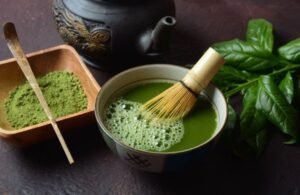
Matcha Powder: The Heart of the Drink
To brew matcha green tea, you’ll need high-quality matcha powder. For a single serving, use around 1/2 to 1 teaspoon of matcha powder, depending on how strong you like it. It’s worth investing in ceremonial-grade matcha for the best flavor and texture. The fresher, the better!
Water Temperature: Avoid the Boil!
It is crucial to know how to brew matcha green tea the right way. Getting the right water temperature is needed. You want the water to be hot, but not boiling. The ideal range is 160°F–175°F (70°C–80°C). If the water is too hot, it will scorch the matcha and leave a bitter taste. So, let your water cool a little after boiling to get it to the perfect temperature.
Sifting: Prevent Clumps for a Smooth Cup
Matcha powder can easily form clumps, which is why you should sift it through a fine-mesh strainer or a matcha-specific sifter into your bowl. This will ensure that your matcha brews smoothly without any lumps or gritty bits.
How to Brew Matcha Green Tea: Step-by-Step Instructions
Brewing matcha is an art, but it’s easy to master once you know the steps. Here’s how to make the perfect cup of matcha green tea:
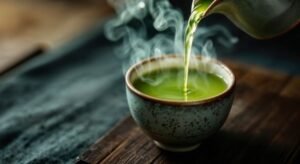
Step 1: Measure and Sift the Matcha
Start by measuring out 1/2 to 1 teaspoon of matcha powder into your matcha bowl (or any wide, shallow bowl). Use a sifter to sift the powder into the bowl. This helps to break up any clumps and makes the tea much smoother.
Step 2: Create a Matcha Paste
Add about 1–2 tablespoons of hot water (around 160°F–175°F) to the sifted matcha. Use a bamboo whisk (or even an electric frother if you’re in a rush) to whisk the water and matcha into a smooth paste. The goal is to get rid of any lumps, so whisk until the paste is lump-free and smooth.
Step 3: Whisk the Matcha to Perfection
Once you’ve created your matcha paste, it’s time to add the rest of the water around 2 to 3 ounces. The key here is the whisking technique. Instead of whisking in a circular motion, you want to whisk in a “W” or “M” zigzag motion. This incorporates air into the matcha, creating that beautiful, frothy layer on top. Keep whisking until the surface is bubbly and the matcha is well-mixed.
How Can You Customize Your Matcha?
You can customize your matcha by adjusting the water-to-powder ratio, adding milk for a matcha latte, or sweetening it with honey or syrup for a richer flavor. You can also:
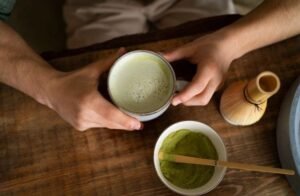
1. Usucha (Thin Tea)
If you like your matcha tea more traditional, top it off with hot water (up to 6 ounces in total). This is the standard preparation, known as usucha. It’s light, refreshing, and perfect for a quick boost in the morning or throughout the day.
2. Matcha Latte
If you’re looking for something creamier and sweeter, a matcha latte is the way to go. Instead of adding more water, replace it with steamed or frothed milk—dairy, oat, almond, or your preferred alternative. Add a bit of sweetener like honey or maple syrup if you prefer a sweeter taste. This makes for a rich, creamy drink that’s perfect for cozy afternoons.
Frequently Asked Questions
1. Why is my brewed matcha tea bitter?
If your matcha tastes bitter, it’s likely because the water was too hot. When brewing matcha, keep the water temperature between 160°F and 175°F. If it’s too hot, the delicate matcha leaves can scorch, creating bitterness. Also, using lower-quality matcha can contribute to a more bitter taste.
2. How can I make my matcha frothy?
To get that smooth, frothy texture, you need to whisk vigorously in a zigzag “W” or “M” motion. Using a bamboo whisk (chasen) is key to getting the right foam. If you don’t have one, you can also use a handheld electric frother, but the bamboo whisk is ideal for traditional matcha preparation.
3. Can I make matcha with cold water?
Yes, you can make an iced matcha drink by whisking the matcha powder with a small amount of warm water (about 1–2 tablespoons) to dissolve it, then adding cold water or milk. This method is perfect for a refreshing iced matcha latte, especially during warm weather.
4. How do I store brewed matcha green tea to keep it fresh?
To preserve the vibrant green color and freshness of matcha, store it in an airtight container in a cool, dark place. Avoid exposure to light and heat, as this can degrade the matcha’s flavor and nutrients. If possible, keep it in the refrigerator to maintain its freshness for longer.
Brew Your Perfect Cup of Matcha Tea
Now that you know how to brew matcha green tea, it’s time to get your whisking game on. Whether you’re starting your morning with a refreshing cup of usucha or enjoying a cozy afternoon with a frothy matcha latte, matcha is more than just a drink—it’s an experience. It’s your chance to slow down, enjoy the moment, and give your body a healthy boost of energy.
Here’s a final tip from me: When you’re brewing matcha, treat it like a little ritual. Slow down, whisk with intention, and savor the results. Your future self will thank you for it.
Happy brewing!


