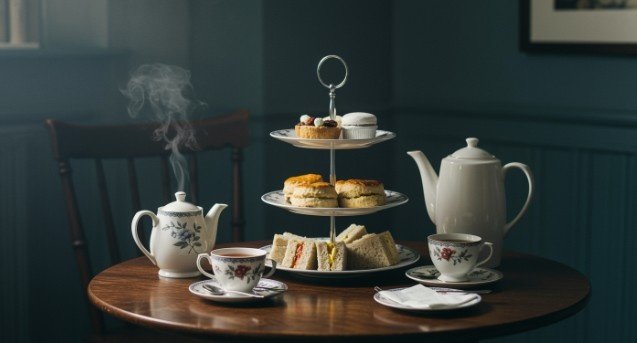
I used to think tea time meant boiling water while scrolling emails and sipping without tasting. One evening, after a mentally exhausting day, I finally paused and followed a guide on how to create a calming tea ritual properly. I noticed the steam, the warmth of the mug, and the quiet moment that followed. That small shift changed how my evenings felt. Tea stopped being a habit and became a reset. If you want a calmer routine without making life complicated, this guide will help you build one that actually works.
Creating a calming tea ritual is a mindfulness practice that uses the sensory experience of brewing and drinking tea to anchor you in the present moment. It is simple, flexible, and surprisingly powerful when practiced consistently.
What Does How To Create A Calming Tea Ritual Really Mean?
Learning how to create a calming tea ritual is not about perfection or tradition. It is about intention. A ritual turns an ordinary activity into a moment of awareness by slowing you down and giving your attention somewhere gentle.
This practice works because it engages your senses. The sound of the kettle, the aroma of the tea, and the warmth in your hands all signal safety and calm to your nervous system. Over time, your body starts to associate tea time with relaxation.
Most importantly, a calming tea ritual creates a pause. That pause helps you transition from stress to rest or from busyness to clarity without forcing meditation or silence.
How Does A Calming Tea Ritual Reduce Stress?

Understanding how to create a calming tea ritual helps because rituals provide structure during overwhelming moments. When life feels unpredictable, a familiar routine restores a sense of control and grounding.
Tea rituals slow your breathing naturally. Waiting for water to boil and leaves to steep encourages patience. This gentle pacing helps lower mental tension and quiet racing thoughts.
There is also emotional comfort in repetition. Returning to the same ritual daily builds a calming rhythm that supports emotional balance and mental clarity.
How Do You Set The Scene When Learning For A Calming Tea Ritual?
Setting the scene is the foundation of creating a calming tea ritual.
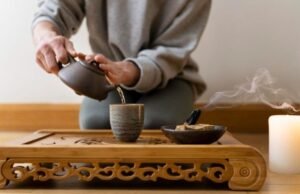
- Start by choosing a quiet, clutter free corner or cozy nook with natural light. Returning to the same space each day trains your brain to relax faster.
- Next, curate your tools. Use a teaware that feels special to you, whether that is a handmade mug or a clear teapot that lets you watch the leaves unfurl. Familiar objects create comfort and continuity.
- Enhance the ambiance gently. Soft lighting, instrumental music like jazz or classical, or a calming scent such as lavender or sandalwood can deepen the sense of calm without overwhelming your senses.
How Should You Choose Tea When Practicing A Tea Ritual?
Choosing tea with intention is central to how to create a calming tea ritual. Instead of reaching for the same blend out of habit, select a tea based on how you feel.
For grounding moments
Earthy herbs like roasted dandelion root or warming spices such as cinnamon work well. They provide a sense of stability and comfort.
For deep relaxation
Caffeine free florals like chamomile, lavender, or passionflower are ideal.
Need gentle focus
Opt for light green tea or white tea offers a subtle lift without overstimulation.
How Do You Practice Mindful Preparation During A Calming Tea Ritual?

Mindful preparation is where a calming tea ritual truly becomes effective. Treat the brewing process as a moving meditation rather than a task to rush through.
As the water heats, listen to the changing sound of the kettle and watch the steam rise. Take a moment to smell the dry leaves before brewing. While they steep, notice the color of the water deepen and the leaves expand.
Use the steeping time to breathe deeply and set a simple intention for the day or evening. An intention like “I am at peace” or “I am focused” helps anchor the ritual emotionally.
How Do You Savor Tea Properly In A Tea Ritual?
Savoring is the heart of a tea ritual. Before sipping, hold the cup in both hands and feel its warmth. This physical sensation signals comfort and presence.
Take a small sip and let the flavors unfold slowly. Notice the taste from the first touch until after you swallow. Staying with the sensation prevents your mind from drifting.
Some people prefer silence during this stage, while others enjoy light journaling or reflection. Either approach works as long as you stay present and unhurried.
How Do You Close The Tea Ritual Mindfully?
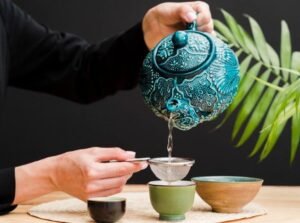
Closing the ritual helps seal the benefits of how to create a calming tea ritual. When you finish your tea, take one final deep breath and acknowledge the moment.
Move slowly as you transition back into your day. Avoid jumping straight into screens or tasks. Carry the calm forward instead of rushing away from it.
This gentle ending reinforces the ritual as a complete experience rather than a rushed habit.
How to Create a Calming Tea Ritual Step by Step
When learning how to create a calming tea ritual, begin by dedicating a quiet space and preparing your tools with intention.
- Place your mug, tea, and kettle where they feel inviting and accessible. This signals the start of your ritual.
- As you boil the water, remain nearby and attentive. Listen to the kettle and observe the steam. Add the tea leaves or bag, inhale the aroma, and allow yourself to slow down as the tea steeps.
- Once brewed, hold the cup, sip slowly, and stay present with each sensation.
- Close the ritual with a deep breath before gently returning to your routine.
Frequently Asked Questions
1. Can beginners easily learn how to create a calming tea ritual?
Yes, beginners can learn how to create a calming tea ritual without difficulty. The practice does not require special knowledge or equipment. Start with a tea you enjoy and a quiet moment in your day. Focus on slowing down and paying attention to the brewing and sipping process. Consistency matters more than perfection, and the ritual becomes more calming with repetition.
2. How often should I practice a calming tea ritual?
You can practice a calming tea ritual daily or a few times a week. Evening rituals help with relaxation and sleep, while morning rituals support clarity and focus. Choose a frequency that feels sustainable rather than forced. Even short rituals practiced regularly provide noticeable benefits over time.
3. How to create a calming tea ritual work if I am busy?
Yes, a calming tea ritual works even with a busy schedule. The ritual can last five to ten minutes and still be effective. The key is intention and presence, not duration. A brief but mindful tea ritual can reset your mood and reduce stress during hectic days.
4. Can I personalize my calming tea ritual?
Absolutely. Personalization strengthens a calming tea ritual. Adjust the tea type, space, music, or reflection style to match your preferences. The more the ritual feels like yours, the more calming and sustainable it becomes.
How to Create a Calming Tea Ritual That Fits Your Life
The truth is, calm does not come from fancy tea or perfect routines. It comes from choosing to pause. Once you commit to how to create a calming tea ritual, even imperfectly, you create space for yourself in a busy world. Some days it will be candles and journaling. Other days it will just be a mug and a deep breath. Both count. The ritual works because you showed up.