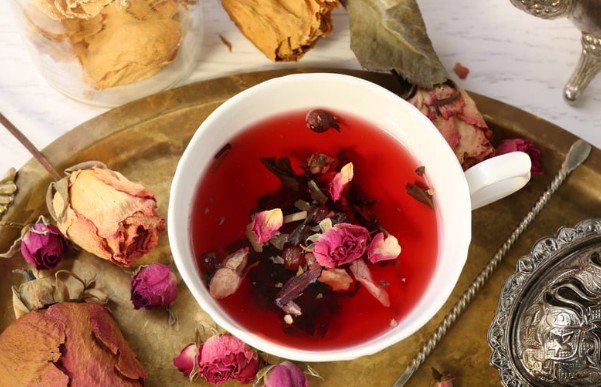
Starting a tea business from home in 2026 offers a unique opportunity to capitalize on the growing demand for wellness products, organic blends, and artisanal tea options. With consumers increasingly focused on health and sustainability, the tea industry has become a thriving market for new entrepreneurs. Whether you’re drawn to herbal blends, matcha, or wellness teas, the path to starting your own tea business is accessible and rewarding.
From flexible online sales to the ability to create unique, customized products, the potential is vast. This guide will walk you through the key steps, from niche selection and legal requirements to sourcing and marketing, ensuring you’re set up for success.
Key Steps to Starting a Tea Business from Home

The essentials for starting your own tea business:
- Choose Your Niche: Focus on a specific tea category, such as herbal, wellness, single-origin, or matcha, to stand out in the competitive market.
- Legal Setup: Register your business, secure the necessary licenses, and comply with food safety regulations.
- Sourcing and Packaging: Source high-quality tea from trusted suppliers and design eco-friendly packaging that aligns with your brand.
- Marketing: Build an online presence with an e-commerce website, leverage social media, and use SEO to reach your audience.
By focusing on a specific niche, sourcing high-quality tea, and crafting a compelling brand story, you can build a successful tea business from the comfort of your own home. We understand each step to help you avoid common pitfalls and achieve long-term growth.
1. Choosing Your Niche: Focus on What Sets You Apart
Choosing the right niche is the foundation of your tea business. The tea market is vast, with numerous categories like organic teas, wellness blends, and rare single-origin leaves. To succeed, consider narrowing your focus to stand out. For example:
- Herbal Blends: Offer blends that focus on wellness benefits like sleep, stress relief, and digestion.
- Matcha Tea: Tap into the health-conscious market with premium, organic matcha.
- Single-Origin Teas: Specialize in sourcing rare, high-quality teas from specific regions.
2. Legal and Regulatory Compliance: What You Need to Know
Before you start selling your teas, it’s crucial to ensure that your home-based business complies with local and federal regulations.
Cottage Food Laws and Licenses
Many states allow the sale of low-risk foods, including dry tea, under cottage food laws. However, you still need to:
- Register your business with the local health department.
- Complete any necessary food handler certifications.
- Check if you need a business license or wholesale license for larger-scale operations.
3. Sourcing High-Quality Tea and Materials

Quality is paramount in the tea industry. Sourcing from reputable suppliers will help ensure consistency and freshness, which are key to customer loyalty. Some options include:
- Wholesale Tea Suppliers: Companies like Harney & Sons, Rishi Tea, and Tiesta Tea are trusted by tea businesses.
- Direct Sourcing: For more specialized offerings, you can source directly from tea gardens such as Assamica Agro or Yunnan Sourcing.
You can also explore private labeling options if you want to create custom blends under your own brand name.
Packaging and Labeling
Packaging plays a crucial role in protecting your product and creating a positive first impression. Key requirements include:
- Food-Grade Materials: Ensure your packaging is airtight and preserves the tea’s freshness.
- Labeling: Include all required information, such as the product’s name, ingredients, net weight, and allergen warnings on the packaging.
4. Building Your Brand and Online Presence
Your brand identity is what differentiates your tea business from others. Focus on creating a unique, relatable brand story. Here are some tips:
- Eco-Friendly Packaging: Appeal to the growing demand for sustainability by using recyclable or compostable materials.
- Create a Memorable Brand: Design a professional logo and packaging that reflects the quality and essence of your tea blends.
Setting Up an E-Commerce Store
To start selling your tea online, platforms like Shopify and Squarespace make it easy to set up an online store. Keep in mind the following:
- User Experience: Ensure the site is easy to navigate, visually appealing, and optimized for mobile.
- Payment Options: Include multiple payment methods (credit/debit cards, PayPal, etc.).
5. Effective Marketing Strategies for Tea Business Success
Social Media and Content Marketing
Social media platforms like Instagram and TikTok are powerful tools for building your brand presence and driving sales. Consider these strategies:
- Instagram: Post high-quality images of your teas, share brewing tips, and host giveaways.
- TikTok: Create fun and engaging videos that showcase your products in creative ways, such as recipes or health benefits.
Search Engine Optimization (SEO)
SEO is critical for driving organic traffic to your website. Use targeted keywords such as “organic tea blends” or “buy loose leaf tea” in your blog posts, product descriptions, and social media content to boost visibility.
Email Marketing
Building an email list allows you to stay connected with your audience and keep them updated on new products, promotions, and health tips. Offer an incentive for signing up, like a discount on their first purchase.
6. Scaling Your Tea Business: From Small Launch to Big Growth

Once your tea business is up and running, it’s time to think about scaling:
- Subscription Models: Consider offering monthly tea subscriptions for loyal customers.
- Expand Your Product Line: Introduce new flavors, blends, or tea accessories to diversify your offerings.
FAQs: Common Questions About Starting a Tea Business from Home
1.How much does it cost to start a tea business from home?
Starting a tea business from home can cost anywhere from $500 to $5,000, depending on factors like packaging, sourcing, and marketing.
2. Do I need a license to sell tea from home?
Yes, you may need a local business license and a food handler certification to sell tea, depending on your state’s regulations.
3. Can I sell brewed tea from home?
Selling brewed tea from home can be more complex due to stricter regulations. It’s often easier to start with dry teas and move into ready-to-drink beverages once you’ve scaled your operations.
Conclusion: Ready to Start Your Tea Business?
Starting a tea business from home can be both rewarding and profitable if you follow the right steps. By choosing a niche, sourcing high-quality tea, and effectively marketing your products, you can build a sustainable brand. Remember to stay compliant with local laws, offer excellent customer service, and focus on creating a memorable brand experience. With dedication and smart strategies, your tea business can thrive in the growing wellness and organic market.