I still remember the moment I realized tea deserved more respect in my workday. I was rushing between calls, half-paying attention to a cup that tasted bitter and flat. That was the day I brought a tea brewer into my office. What felt like a small upgrade quickly turned into a shift in mindset. Brewing became intentional. The flavor became consistent. And unexpectedly, it changed how I thought about tea as a product, not just a drink.
If you are a tea fanatic, a business owner, or an entrepreneur exploring tea as a serious offering, find out on your own why the right brewing tool matters and how it fits into a business-focused tea strategy.
What Is A Tea Brewer & Why Does It Matter For Tea Businesses?
A tea brewer is a device designed to control water temperature, steeping time, and extraction so every cup tastes the way it should. Unlike casual brewing methods, it removes guesswork and variability.
From a business perspective, consistency is everything. Whether you are tasting samples, refining blends, or serving tea in a professional setting, repeatable results build confidence in your product.
Brewers also reinforce credibility. When you treat brewing as a process rather than an afterthought, it signals quality and care. That mindset shows up in branding, pricing, and customer trust.
Why Do Tea Entrepreneurs Rely On A Tea Brewer Instead Of Manual Methods?
Manual brewing can work, but it depends heavily on human precision. In business environments, that introduces risk. A brewer standardizes the process so results stay consistent across tastings and batches.
For entrepreneurs, this consistency speeds up decision-making. You can compare teas accurately, evaluate suppliers fairly, and refine recipes without second-guessing your method.
It also supports scalability. As operations grow, it becomes a training tool that ensures everyone follows the same brewing standards.
How Do Electric And Manual Tea Brewer Options Compare For Business Use?
Brewers for tea range from simple manual infusers to advanced electric machines. The best option depends on how much control and automation you need.
Electric tea brewers offer programmable temperatures, timers, and automatic shut-off. This makes them ideal for offices, tasting rooms, and product development environments where precision saves time.
Manual tea brewers rely more on user input but still deliver excellent results. They are compact, affordable, and often preferred for small-batch tasting or travel-friendly setups.
Which Electric Tea Brewer Models Stand Out For Serious Tea Work?
Electric brewers are designed for precision and efficiency, making them popular with professionals.
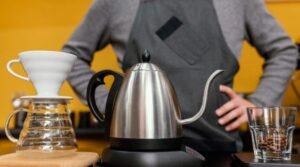
The Breville One Touch Tea Maker stands out for its pre-programmed settings and automated basket that prevents over-steeping. It supports multiple tea types and maintains temperature consistency, which is critical for product testing.
The SAKI Turkish Tea Maker Pro adapts a traditional double-pot system into a modern electric brewer. Its temperature control and altitude calibration make it versatile for diverse tea styles.
The BUYDEEM K156 Tea Maker focuses on customizable extraction strength and extended keep-warm features. This flexibility suits both tea tasting sessions and daily professional use.
Which Manual Tea Brewer Options Work Best For Entrepreneurs?
Manual brewers appeal to businesses that value simplicity and portability.
The Bodum Assam Tea Press uses a French press-style system that gives full control over steeping. Its durable glass design works well for tastings and presentations.
The Takeya Flash Chill Iced Tea Maker is ideal for cold and iced tea development. Its airtight design allows rapid chilling and long-term storage, which helps when testing iced tea concepts.
The Carabello Coffee IngenuiTEA Infuser offers a simple, drip-free brewing method. It is efficient, easy to clean, and practical for sampling multiple teas quickly.
How To Use A Brewer Correctly For Consistent Results
Using a brewer starts with accurate measurements. Add the correct amount of loose leaf tea based on the brewer’s guidelines and the tea style you are preparing.
Next, set the appropriate temperature and steeping time. Green and white teas require lower heat, while black and herbal teas benefit from higher temperatures. This step directly impacts flavor clarity and balance.
Once brewing begins, allow the brewer to complete the cycle without interruption. When finished, taste the tea slowly and make notes if you are evaluating quality or refining blends.
How Does A Brewer Support Branding?
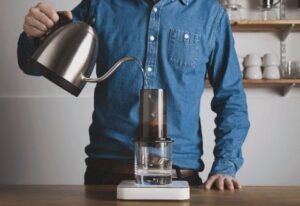
A tea brewer strengthens product development by creating a reliable baseline. When every cup is brewed the same way, flavor differences reflect tea quality, not process errors.
This consistency helps build stronger supplier relationships and clearer tasting notes. Over time, it allows you to craft precise product descriptions and confident marketing messages.
From a branding standpoint, visible brewing precision communicates professionalism. Customers associate structured processes with premium quality, which supports higher perceived value.
Frequently Asked Questions
1. Is a tea brewer necessary for starting a tea business?
A brewer for tea is not mandatory, but it significantly improves consistency and learning speed. For new tea businesses, it helps avoid incorrect assumptions about flavor caused by uneven brewing. Even a basic brewer creates a reliable foundation for tasting, sourcing, and product development.
2. Can a tea brewer handle both hot and iced tea production?
Many tea brewer models support both hot and iced tea. Electric brewers often include temperature presets, while manual brewers like iced tea pitchers allow cold brewing or flash chilling. This flexibility supports product experimentation across multiple tea formats.
3. Does a tea brewer save time in professional settings?
Yes, a tea brewer reduces active monitoring. Once settings are configured, brewing becomes predictable and efficient. In offices or tasting environments, this allows teams to focus on analysis, meetings, or customer interactions without constant supervision.
4. Is a brewer suitable for offices and client-facing spaces?
A tea brewer works well in offices and client settings. It elevates the tea experience and reflects attention to detail. Offering consistently brewed tea creates a subtle but meaningful impression that aligns with professional hospitality standards.
Why Tea Brewers Are Present In Every Tea Operation
A tea brewer does more than make tea taste better. It builds discipline, consistency, and confidence in how you approach tea as a product. Once I committed to structured brewing, I stopped guessing and started understanding tea on a deeper level.
My advice is simple. If tea matters to your business, treat brewing like a process worth mastering. The right brewer will reward you with better decisions, stronger branding, and tea that truly speaks for itself.